What's Really Happening When You Hit Spin: The Hidden Math and Psychology Behind Every Pull
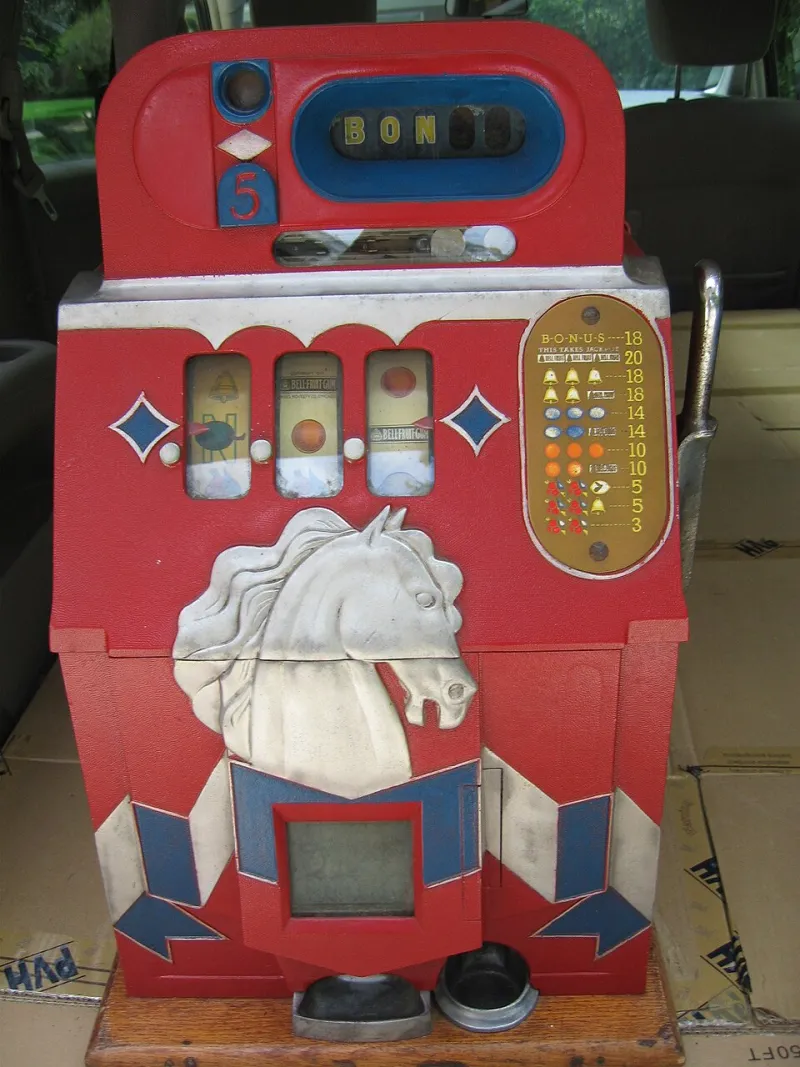
Photo: Gameroom Show, https://www.gameroomshow.com/faq/#Copyright, CC BY-SA 4.0, via Wikimedia Commons
There's a moment — you probably know it — right after the reels start churning and before they settle. That half-second of suspense feels almost electric. It's not an accident. In fact, almost nothing about that experience is accidental. Whether you're playing at a physical machine in Las Vegas or spinning the reels on a mobile app from your couch in Ohio, you're interacting with one of the most carefully engineered pieces of entertainment technology ever created.
At OceanSpin 100, we're all about riding the wave — but we also believe in knowing what the current is actually made of. So let's dive deep.
The Engine Underneath: Random Number Generators
At the core of every modern slot machine — digital or physical — sits something called a Random Number Generator, or RNG. This is a software algorithm that produces thousands of number sequences every single second, even when nobody's playing. The moment you hit spin, the machine locks onto whatever number the RNG has landed on at that exact millisecond. That number maps to a specific combination of symbols on the reels.
Here's the key thing to understand: the outcome is already decided before the reels even begin to visually spin. The animated tumbling you watch? That's essentially a theatrical display layered on top of a result that's already been calculated. The spin is the show. The math already happened.
This is regulated heavily in the US. Licensed gaming platforms and casinos must use RNGs that are independently audited and certified to ensure true randomness. So while the system is engineered for entertainment, it isn't rigged in the traditional sense — it's just designed to be deeply engaging.
Return to Player: The Number That Actually Matters
Every slot game comes with a built-in statistic called the Return to Player percentage, or RTP. This number tells you what portion of total wagered money a game is designed to pay back over an enormous number of spins. A game with a 96% RTP, for example, theoretically returns $96 for every $100 wagered — over millions of spins across all players.
The operative phrase there is over millions of spins. In the short term, anything can happen. You could win big on your fifth spin or walk away empty after fifty. That unpredictability isn't a flaw — it's a core feature. The variance between short-term results and long-term averages is precisely what creates excitement. Game designers know this, and they engineer volatility levels deliberately. High-volatility games pay out less frequently but in larger amounts. Low-volatility games drip out smaller wins more often. Both approaches serve different player personalities, and both keep people spinning.
The Psychology of Almost Winning
One of the most powerful — and controversial — tools in a slot designer's toolkit is the near-miss. This is when the reels land in a configuration that almost looks like a winning combination. Maybe two jackpot symbols line up perfectly, and the third lands just one position off.
Research in behavioral psychology has consistently shown that near-misses activate the brain's reward circuitry in ways that closely resemble actual wins. Your brain interprets "almost" as progress, as a signal that victory is near, even though statistically each spin is completely independent from the last. That feeling of being so close can be more motivating than a small actual win. Game developers are well aware of this, and in many jurisdictions, near-miss frequencies are actually regulated to prevent over-engineering of this effect.
Visual and audio feedback compounds everything. The cascading lights, the celebratory sounds, the coins-clinking animations — these are all calibrated to trigger dopamine responses. Even small wins are often accompanied by fanfare that feels disproportionate to the actual payout. That's intentional. The sensory experience is designed to feel rewarding regardless of the financial outcome.
Bonus Rounds and the Illusion of Skill
Modern slot games — especially online and mobile formats — frequently incorporate bonus rounds, mini-games, and interactive elements that give players a sense of agency. Pick-a-chest games, free spin multipliers triggered by player choices, and fish-themed bonus dives (a personal favorite in the ocean-gaming world) all create moments where you feel like your decisions matter.
Sometimes they do, marginally. But more often, these features are mathematically equivalent regardless of your choice — the outcome is predetermined, and the selection mechanic is another layer of engagement theater. That doesn't make it less fun, but it's worth knowing.
Where Entertainment Ends and the Trap Begins
None of this makes slot games bad or predatory by default. Millions of Americans play them as a legitimate form of entertainment, setting budgets and treating losses as the cost of a fun experience — no different from a movie ticket or a round of mini golf. The issue arises when the engineered engagement mechanics interact with individual psychology in ways that tip from fun into compulsion.
Signs to watch for include chasing losses, spending beyond your set budget, or feeling anxious when you're not playing. If any of those sound familiar, resources like the National Problem Gambling Helpline (1-800-522-4700) are available 24/7.
The smartest way to enjoy spinning mechanics is to go in with your eyes open. Understand the math. Set a hard limit before you start. And remember — the thrill of the spin is real, but so is the house edge. Ride the current, don't let it drag you under.
The Takeaway
Slot machine algorithms are genuinely impressive pieces of engineering, blending probability theory, behavioral psychology, and sensory design into something that's undeniably compelling. The spin isn't random chaos — it's a carefully orchestrated experience built to entertain. Knowing how it works doesn't ruin the fun. If anything, it makes you a smarter, more grounded player. And at OceanSpin 100, that's exactly the kind of rider we want navigating these waters.