From the Lab to the Lobby: How One Marine Biologist Turned Ocean Gaming Into a Conservation Lifeline
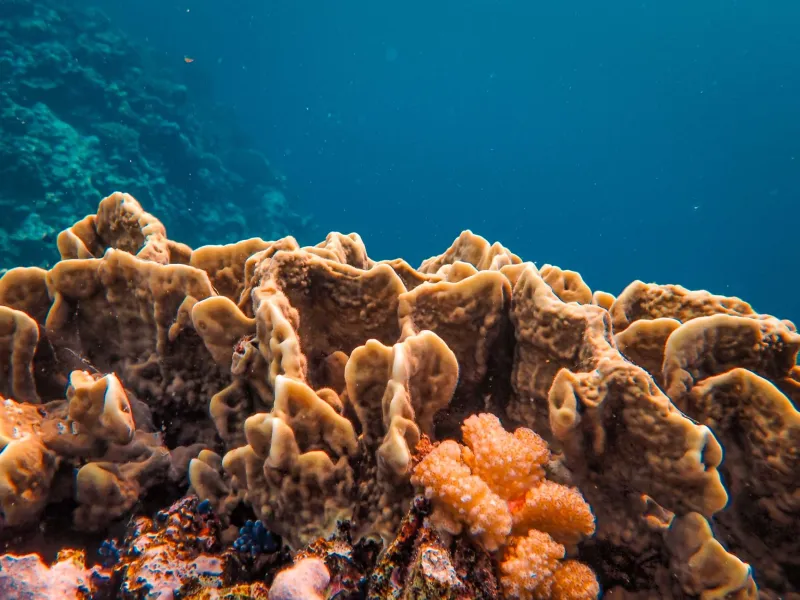
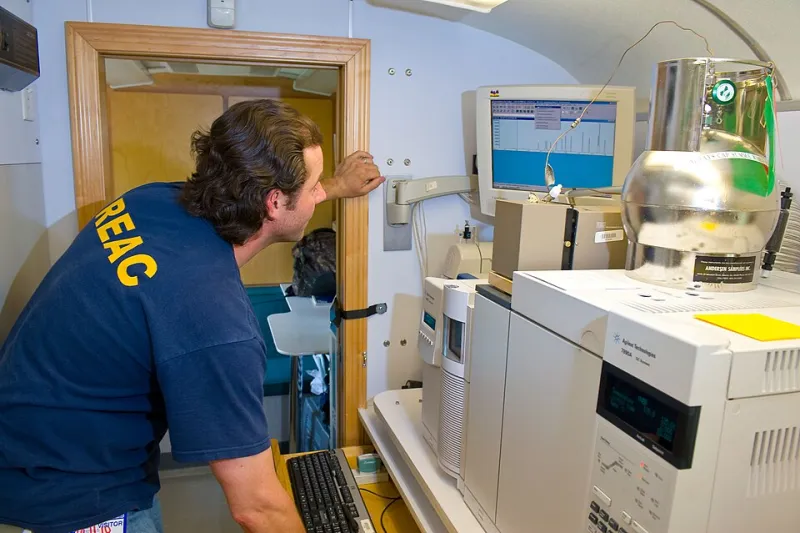
Dr. Priya Nair spends most of her professional life underwater. As a marine biologist based out of the University of Miami's Rosenstiel School of Marine, Atmospheric, and Earth Science, she's logged thousands of hours studying coral bleaching patterns across the Florida Keys and the Gulf of Mexico. What she doesn't spend a lot of time doing — or at least, what she didn't used to — is gaming.
That changed about three years ago when a funding gap threatened to shelve a long-term reef monitoring project she'd been developing for nearly half a decade. "Grant cycles are brutal," she told us over a video call, her office wall lined with specimen jars and dive gear. "You pour years into a proposal, and then a budget gets cut somewhere in Washington and suddenly you're scrambling."
Out of frustration — and, she admits, a little boredom during a particularly rough grant review period — she started playing ocean-themed spin games online. She'd always been drawn to aquatic aesthetics, and the layered visual design of games built around reef ecosystems, deep-sea creatures, and tidal mechanics genuinely fascinated her from a scientific standpoint. "I kept noticing things," she laughed. "Like, that bioluminescent jellyfish animation is actually pretty accurate. And then I'd find something totally wrong and want to correct it."
That instinct to educate turned out to be the spark for something much bigger.
The Idea That Started as a Joke
Priya began posting short video breakdowns — quick, casual clips where she'd react to the ocean imagery in popular spin games, pointing out what the developers got right and what they'd taken creative liberties with. She wasn't trying to build an audience. She was mostly venting to friends in the marine science community.
But the clips took off. Players loved the perspective. Here was someone who actually knew what a mantis shrimp's strike force felt like (she'd measured it in the field) telling them whether the game's version held up. Her comment sections filled with questions — real ones, about ocean ecosystems, climate impact on coral, why certain deep-sea creatures glow.
"I realized people were genuinely curious," she said. "They weren't just playing a game. They were spending time in this underwater world, and somewhere in the back of their minds, they wanted to know if it was real."
Within six months, her community had grown to tens of thousands of followers across platforms. And that's when the idea shifted from hobby to mission.
Spinning for Science
Priya launched what she called the Reef Spin Initiative — a community-driven funding model where a percentage of referral revenue generated through her gaming content recommendations is directed toward her coral monitoring research. She partnered with several ocean-themed gaming platforms to set up trackable affiliate arrangements, then published full transparency reports showing exactly where the money went.
The numbers aren't enormous by Silicon Valley standards, but in the world of independent marine research, they've been meaningful. In the first year, the initiative raised enough to fund two additional field survey trips to the Keys, purchase updated underwater drone equipment, and bring on a part-time research assistant.
"People ask me if it feels weird mixing gaming with science," she said. "But I don't see it that way. These platforms are built around ocean imagery. The whole aesthetic is borrowed from the natural world. Why shouldn't some of that value flow back?"
Players in her community seem to agree. Marcus T., a software engineer from Austin who describes himself as a "casual spinner," told us he'd never thought much about where his gaming hobby intersected with anything real-world. "Priya's content changed that for me. I'm not doing anything differently — I'm still playing the same games I always played — but now I feel like there's a reason behind it. That matters."
Another community member, a retired schoolteacher from Oregon named Diane, said she'd started following Priya's educational breakdowns with her grandkids. "They're learning about the ocean while watching someone play games. That's honestly incredible."
What Makes It Work
Priya is careful not to oversell the model. She's transparent that the gaming revenue alone isn't going to save the ocean — that's not the point. What the initiative does, she argues, is build a bridge between two communities that rarely talk to each other.
"Marine scientists and gamers don't usually share the same spaces," she said. "But they have more in common than you'd think. Both communities are deeply curious. Both are drawn to complexity and systems-thinking. Ocean-themed games are literally built on the same wonder that drives people into marine biology in the first place."
She's also been deliberate about keeping the gaming content genuine. She doesn't pretend to be a professional player, and she doesn't hype games she doesn't actually enjoy. Her reviews are honest, sometimes critical, and always filtered through her scientific lens. That authenticity, she believes, is what keeps her audience engaged rather than feeling marketed to.
Several game developers have reached out since her platform grew, some interested in scientific consulting to improve the accuracy of their aquatic environments. She's taken a few of those conversations seriously. "If I can make the games better and more accurate while also funding real research, that's a full-circle moment I never expected."
A Blueprint Others Are Watching
Priya's model hasn't gone unnoticed in the scientific community. A handful of other researchers — an oceanographer in San Diego, a marine ecologist at the University of Hawaii — have reached out asking how to replicate what she's built. She's been open about sharing her process, including the messy parts: the early videos that flopped, the affiliate arrangements that didn't pan out, the months where she questioned whether the effort was worth it.
"I'm not a social media expert," she said plainly. "I'm a scientist who happened to stumble into a community that was already curious about the thing I study. Most of what I did was just show up honestly and keep going."
That persistence is paying off. The Reef Spin Initiative is now in its third year, and Priya is exploring a formal nonprofit structure that would allow direct donations alongside the gaming revenue stream. She's also in early conversations with a couple of ocean-themed game developers about integrating conservation messaging directly into their platforms — not as advertising, but as actual gameplay content.
The Bigger Current
There's something genuinely compelling about what Priya Nair has built — not because it's revolutionary, but because it's honest. She found an unlikely overlap between two worlds, leaned into it without pretense, and created something that moves actual dollars toward actual science.
For the players in her community, the appeal is simple: the games they already love now carry a little more weight. The spin of a reel, the flash of a bioluminescent deep-sea creature across a screen — it's still entertainment, still fun. But somewhere in the chain of that moment, a coral reef in the Florida Keys gets a little more attention.
And for Dr. Nair, standing in the gap between a lab and a lobby turned out to be exactly where she needed to be.
Want to learn more about the Reef Spin Initiative or follow Priya's ocean science content? Keep riding the current with OceanSpin 100 for more stories where gaming and the real world collide.