Shell Game: How Ocean Spin Players Built a Shadow Economy the Developers Never Saw Coming

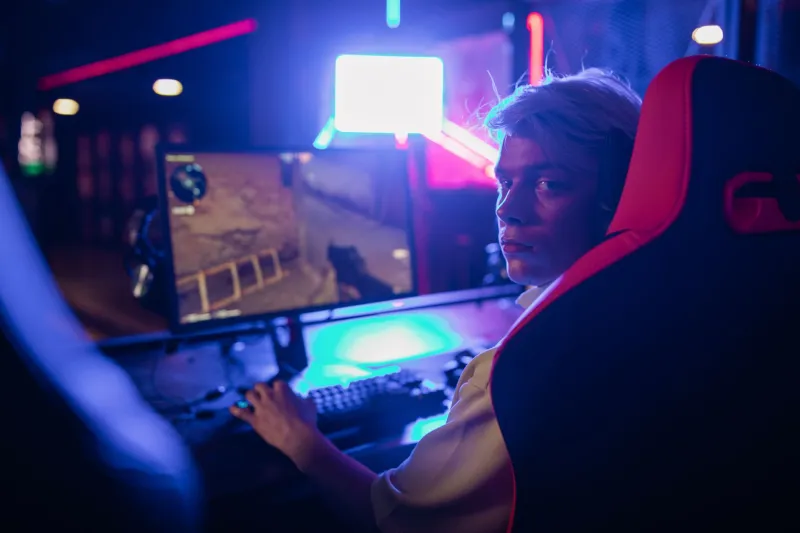
Photo by Photo by Michael Förtsch on Unsplash on Unsplash
Somewhere between a Discord server in Austin, Texas, and a Reddit thread in Portland, Oregon, a guy who goes by the handle DeepCurrentDan is doing what he does every Tuesday night: brokering trades between strangers who have never met, exchanging rare in-game reef pearls for a digital token that doesn't officially exist on any platform. Nobody told him to build this. Nobody gave him a rulebook. He just saw a gap in the current and dove in.
This is the spin economy — and it's a lot bigger than most people outside these communities realize.
From Casual Trades to Full-Blown Marketplaces
It didn't start with grand ambitions. Early Ocean Spin communities were just players helping each other out — sharing bonus codes, trading duplicate items, gifting spin credits to friends who were running low. Normal stuff. But somewhere along the way, the informal swaps started developing structure. Players began tracking values. Someone made a spreadsheet. Then another person made a better spreadsheet. Before long, there were agreed-upon exchange rates for in-game assets that the developers had never intended to be tradeable at all.
"We basically invented our own version of a stock market," says one community veteran who moderates a 40,000-member Ocean Spin trading group. "Except instead of shares, we're trading tide gems, spin multipliers, and seasonal event tokens. And instead of Wall Street, we're doing it in a Discord voice channel on a Wednesday afternoon."
These informal exchanges have since evolved into organized marketplaces. Some communities run dedicated channels sorted by asset type. Others have built out full web-based listing boards where players post offers, negotiate in real time, and leave feedback ratings for trading partners — essentially a peer-to-peer eBay, but for in-game ocean loot.
The Rise of Community Currencies
Here's where it gets genuinely interesting. Several large Ocean Spin communities have stopped relying on in-game currency altogether and created their own. These micro-currencies — with names like CoralCoin, TideBuck, and DeepDollar — operate on community-maintained ledgers and are earned through participation: helping new players, contributing guides, running tournaments, or even just showing up consistently.
CoralCoin, which originated in a mid-sized gaming community based out of a Facebook group in the Midwest, now has hundreds of active users and a functioning exchange rate against at least three other community tokens. Players use it to access premium guides, buy entry into private tournaments, and tip content creators who produce strategy content for the group.
"It's basically a reputation economy," explains one community economist who asked to remain anonymous. "The currency is just the visible layer. What's really being traded is trust and status. If you have a lot of CoralCoin, it means you've contributed something real to the community. That actually means something to people."
Others have gone further, experimenting with NFT-based systems that allow players to mint rare in-game screenshots, achievement records, or custom avatar accessories as blockchain tokens. Whether these hold long-term value is debatable — the NFT market has had a rough few years — but the fact that Ocean Spin players are attempting it at all says a lot about the depth of investment this community has in its own ecosystem.
When the Fan Economy Outswims the Developer
This is the part that gets complicated. Most Ocean Spin platforms have terms of service that technically prohibit unauthorized real-money trading of in-game assets. The platforms want to control the economy. They want you buying official currency packs, not swapping tide gems with a stranger on Reddit for CoralCoin.
But enforcement is patchy at best. Communities have learned to operate in the gray zones — keeping trades within the language of gift-giving, using community currencies instead of cash, and generally staying just below the radar. It's a cat-and-mouse game that's played out in gaming communities for decades, from MMORPGs to mobile platforms.
What's different here is the scale and sophistication. "These aren't just kids trading cheat codes," notes one gaming industry observer who tracks emerging player economies. "Some of these community markets are moving real value — not always in dollars, but in time, attention, and social capital. That has genuine economic weight."
Developers who have tried to crack down often find themselves facing backlash from their most engaged users — the exact people they can least afford to alienate. It's a genuine dilemma. Ignore the shadow economy and it grows beyond your influence. Suppress it and you risk torching your most loyal community.
A few platforms have taken a smarter third route: leaning in. Some gaming companies have started partnering with community market-makers, formalizing trading systems that were already happening anyway, and taking a small cut in exchange for legitimacy and platform support. It's early days, but the model is gaining traction.
The People Running the Show
Every functioning community economy needs its operators. In Ocean Spin circles, these tend to be a recognizable type: deeply knowledgeable players who've been around long enough to understand the asset landscape, socially connected enough to broker trust between parties, and organized enough to maintain records and resolve disputes.
DeepCurrentDan fits that profile. He's been active in Ocean Spin communities for years, runs a small team of volunteer moderators who help settle trading disputes, and maintains a public ledger of completed transactions to build confidence in the system. He doesn't make traditional money from this. What he gets is influence, community standing, and the satisfaction of running something that works.
"People come to me because they know I'm not going to rip them off and I'm not going to let someone rip them off either," he says. "That's the whole thing. Once you lose trust in the market, the market dies. I protect the market."
That kind of community accountability is what separates functional player economies from chaos. And it's entirely self-generated — no platform support, no official infrastructure, just people who care enough about their community to put in the work.
What This Tells Us About the Future of Gaming
The spin economy isn't an anomaly. It's a signal. When players build functioning financial systems around games that weren't designed to support them, they're telling developers something important: the in-game economy isn't meeting their needs.
Whether that gap gets filled by official platforms evolving to embrace player-driven markets, or by community systems continuing to grow in the shadows, the current is already moving. The players who dove in early — the DeepCurrentDans of these communities — are already riding it.
For the rest of us watching from the surface, the lesson is simple: never underestimate what a motivated community will build when they're given something worth caring about. Ocean Spin players didn't just find a game they liked. They built a world around it — complete with its own economy, its own currency, and its own rules.
And the tide isn't going back out anytime soon.