Tides of Change: How Aquatic Spin Games Conquered American Gaming Culture
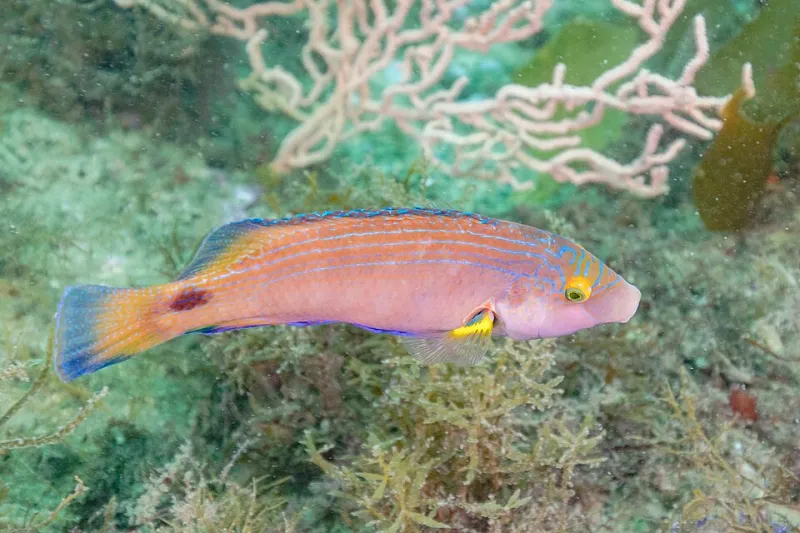
Photo: Diego Delso, CC BY-SA 4.0, via Wikimedia Commons
There's something almost poetic about the fact that spinning mechanics and ocean themes found each other. Both carry this sense of unpredictability — the reel keeps turning, the current keeps shifting, and you never quite know what's coming next. That combination didn't happen by accident, and in 2024, it's reached a level of cultural saturation that nobody in the industry saw coming.
So how did we get here? Let's trace the current back to where it started.
The Arcade Era: Where It All Began
If you grew up hanging around arcades in the late '80s and '90s, you probably remember those big, boxy fishing-themed machines tucked into the corner — the ones with the plastic reel handles and the pixelated bass jumping on-screen. Games like Sega Bass Fishing weren't technically spin games in the traditional sense, but they planted a seed. The ocean was already being used as a backdrop for interactive entertainment, and players were already hooked (pun fully intended).
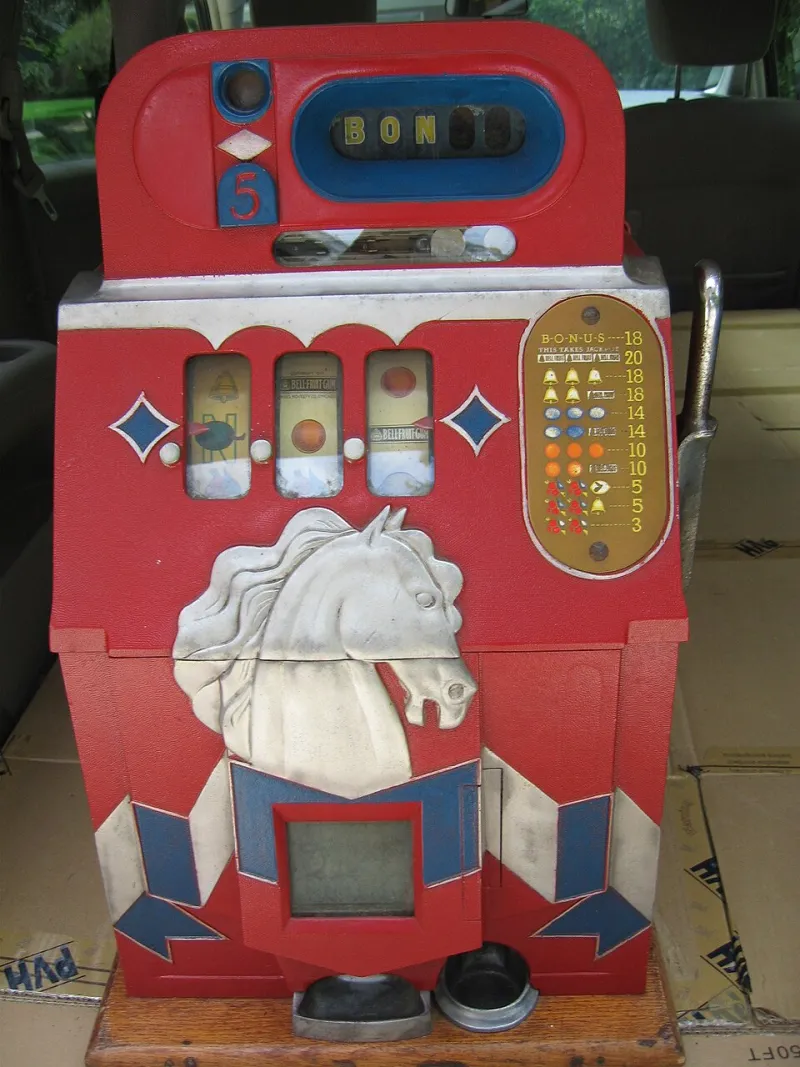
Around the same time, casino-style spin mechanics were making their way into arcade formats across the US. Combine that trend with the growing popularity of aquatic aesthetics in Japanese arcade culture — think BlueStorm cabinets and undersea bonus round designs — and you've got the early blueprint for what would eventually become a massive genre.
Developers noticed that water-themed visuals had a calming yet exciting duality. The soft blues, the shimmering animations, the sense of depth — it all created an immersive mood that flat, static backgrounds simply couldn't match.
The Digital Leap: Going Online Changes Everything
Fast-forward to the mid-2000s, when online gaming platforms started exploding in the US. Flash-based browser games brought ocean themes to a whole new audience, and developers quickly realized that aquatic settings were uniquely suited to the spin format. The bubbling sound effects, the animated sea creatures spinning across reels, the treasure chest bonus rounds — it all translated beautifully to digital screens.
But the real turning point came with mobile. When smartphones became the primary gaming device for millions of Americans, ocean-themed spin games found their perfect home. The touchscreen swipe mimics the physical pull of an old-school lever. The vertical format mirrors the sensation of looking down into water. It's almost as if the genre was waiting for the technology to catch up.
By 2020, aquatic-themed titles were consistently ranking among the most downloaded gaming apps in the US App Store and Google Play. The pandemic accelerated that trend dramatically — people stuck at home wanted escapism, and nothing says "escape" quite like a virtual dive into glowing coral reefs and spinning treasure reels.
What Makes Ocean Aesthetics So Irresistible?
We reached out to several indie developers and UI designers who've worked specifically in the aquatic gaming space, and the answers were surprisingly consistent.
"Water is the ultimate ambiguous space," said one mobile game designer who's shipped three ocean-themed titles in the past four years. "It's mysterious, it's beautiful, and it's slightly dangerous. That tension is exactly what you want when you're building around a mechanic that's inherently about risk and reward."
Another developer pointed to the color psychology at play. Blues and greens are among the most universally appealing colors across demographics — they read as trustworthy and soothing while still allowing for moments of vivid contrast when a big win lights up the screen in gold and orange. "You're basically giving players a built-in emotional arc every single session," they explained.
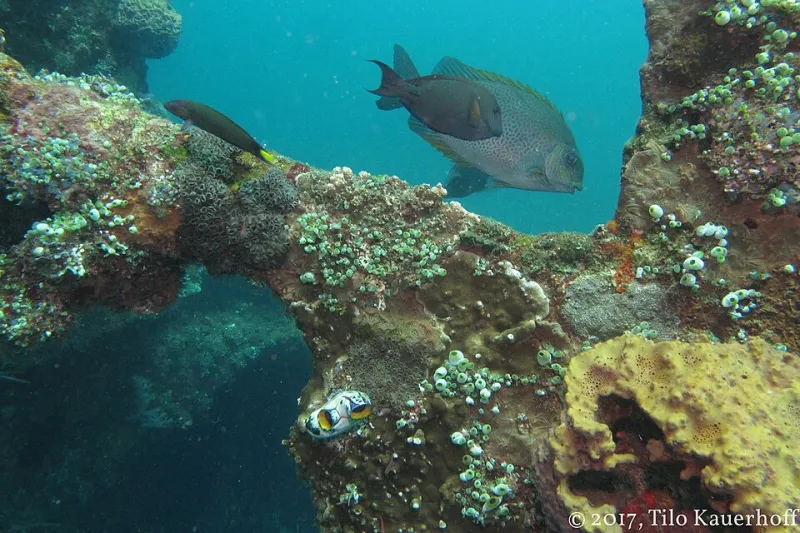
There's also the creature factor. Fish, sharks, octopuses, seahorses, dolphins — marine life offers an almost endless library of visually distinct characters that can be stylized in countless ways. That gives designers enormous creative flexibility without straying from the core theme.
2024: The Genre Hits Its Cultural Peak
This year feels like a genuine inflection point. Ocean-themed spin games aren't just popular — they're culturally embedded. You see the aesthetic bleeding into merchandise, into streaming thumbnails, into social media content, into the language players use online. "Catching a wave" and "deep dive mode" have become shorthand in gaming communities for hitting a hot streak or entering a bonus round.
Major developers are investing more heavily in narrative layers within aquatic spin titles. Instead of just spinning reels against a fish backdrop, players are now exploring storylines — uncovering sunken civilizations, following a captain's journey, or unlocking chapters of an underwater mystery. The spin mechanic remains central, but it's now wrapped in genuine world-building.
Smaller indie studios are competing by leaning into authenticity. Some have brought in actual marine biologists to consult on creature behavior and ecosystem design. Others are partnering with ocean conservation organizations, embedding real-world environmental messaging into their games. That kind of intentionality resonates with younger American players who want their entertainment to mean something.
Why Developers Keep Coming Back to the Deep
Ask any studio that's released an ocean-themed spin title why they keep returning to the concept, and the answer is almost always the same: it works, and it keeps evolving.
The aquatic setting is one of the few gaming environments that feels simultaneously timeless and endlessly renewable. You can set a game in ancient Greece or a futuristic city, but those settings carry cultural baggage and trend cycles. The ocean, on the other hand, is both ancient and alien — it never goes out of style because it never fully belonged to any particular style in the first place.
For spin mechanics specifically, the ocean's natural randomness is a perfect metaphor. Currents shift. Tides change. You can study the patterns all you want, but the sea ultimately does what it wants. That unpredictability mirrors the fundamental appeal of spinning — the thrill of not knowing what surfaces next.
From those first clunky arcade cabinets to today's polished mobile experiences, the journey has been long and genuinely fascinating. And if 2024 is any indication, the current isn't slowing down anytime soon. Here at OceanSpin 100, we'd say that's a very good thing.